An airport that disappears
GCXO Tenerife North sits at 2,076 feet on a plateau in the northeastern corner of Tenerife. The northeast trade winds carry moisture from the Atlantic, and when that air rises against the island's terrain, it condenses. The result is a persistent layer of stratocumulus that regularly settles directly on the airport. Visibility can drop from 10 km to below 550 meters in minutes. There's no gradual onset. The fog arrives and the airport is in LVP.
For airlines operating daily schedules into GCXO — Binter Canarias in particular, with dozens of daily rotations across the Canary Islands — this isn't an occasional inconvenience. It's a core operational reality. Crews flying the ATR 72 and CRJ-1000 in and out of Tenerife North encounter low visibility conditions routinely. The question isn't whether a pilot will face LVP at GCXO. It's whether they're adequately prepared when it happens.
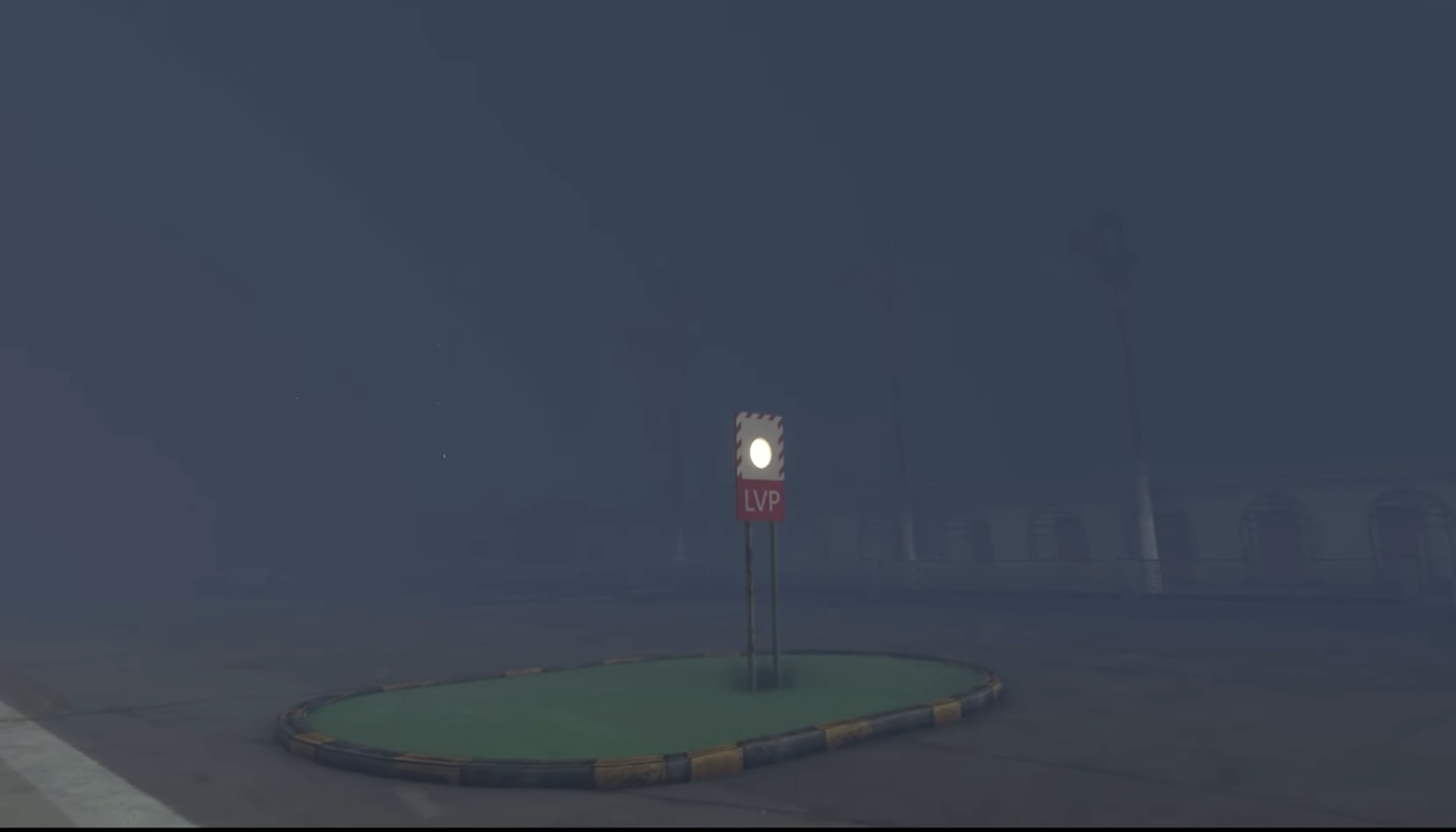
GCXO in low visibility — trade-wind fog settling on the plateau, obscuring the approach environment
What LVP means at GCXO
Low Visibility Procedures at GCXO are triggered when the runway visual range drops below 550 meters or the cloud ceiling falls below 200 feet. When LVPs are active, the operational environment changes fundamentally. Ground movements are restricted. ATC applies increased separation. The approach lighting system goes to maximum intensity. And the crew's task transitions from a visual operation to one where every action is procedurally driven.
GCXO's LVP environment is made more challenging by the surrounding terrain. The Anaga mountains to the north create a ridgeline that sits uncomfortably close to the missed approach path. A pilot executing a go-around in 300 meters visibility needs to fly a precise climb gradient while trusting instruments that the terrain clearance is adequate. There's no visual confirmation. The ridgeline is behind the fog.
The difficulty at GCXO isn't the approach itself — it's the transition. Conditions can be VMC on the ATIS when you depart Gran Canaria and LVP by the time you reach the hold. Crews need to be mentally and procedurally prepared to switch from a visual operation to a fully instrument-driven approach with terrain in close proximity, without advance planning time.
Why familiarization matters
Regulatory frameworks require crew familiarization for airports with specific operational hazards. GCXO qualifies on multiple counts: terrain proximity, frequent low visibility, and non-standard procedures. But regulatory minimums and actual preparedness are different things. A pilot who has briefed the approach plate and watched a video about GCXO has met the familiarization requirement. A pilot who has flown the approach in a simulator during deteriorating conditions, executed a missed approach into the terrain environment, and practiced the transition from visual to instrument flight has actually internalized what the operation feels like.
Simulator familiarization bridges the gap between knowing the procedures and having experienced them. At GCXO, that gap has specific, concrete dimensions. It's the sight picture on the RNAV 12 approach as you break out at 400 feet and see the runway slightly offset through thinning fog. It's the absence of visual references during the missed approach climb when the ridgeline is 2 nautical miles ahead and invisible. It's the moment when ATIS reports RVR dropping through 600 meters while you're on base leg.
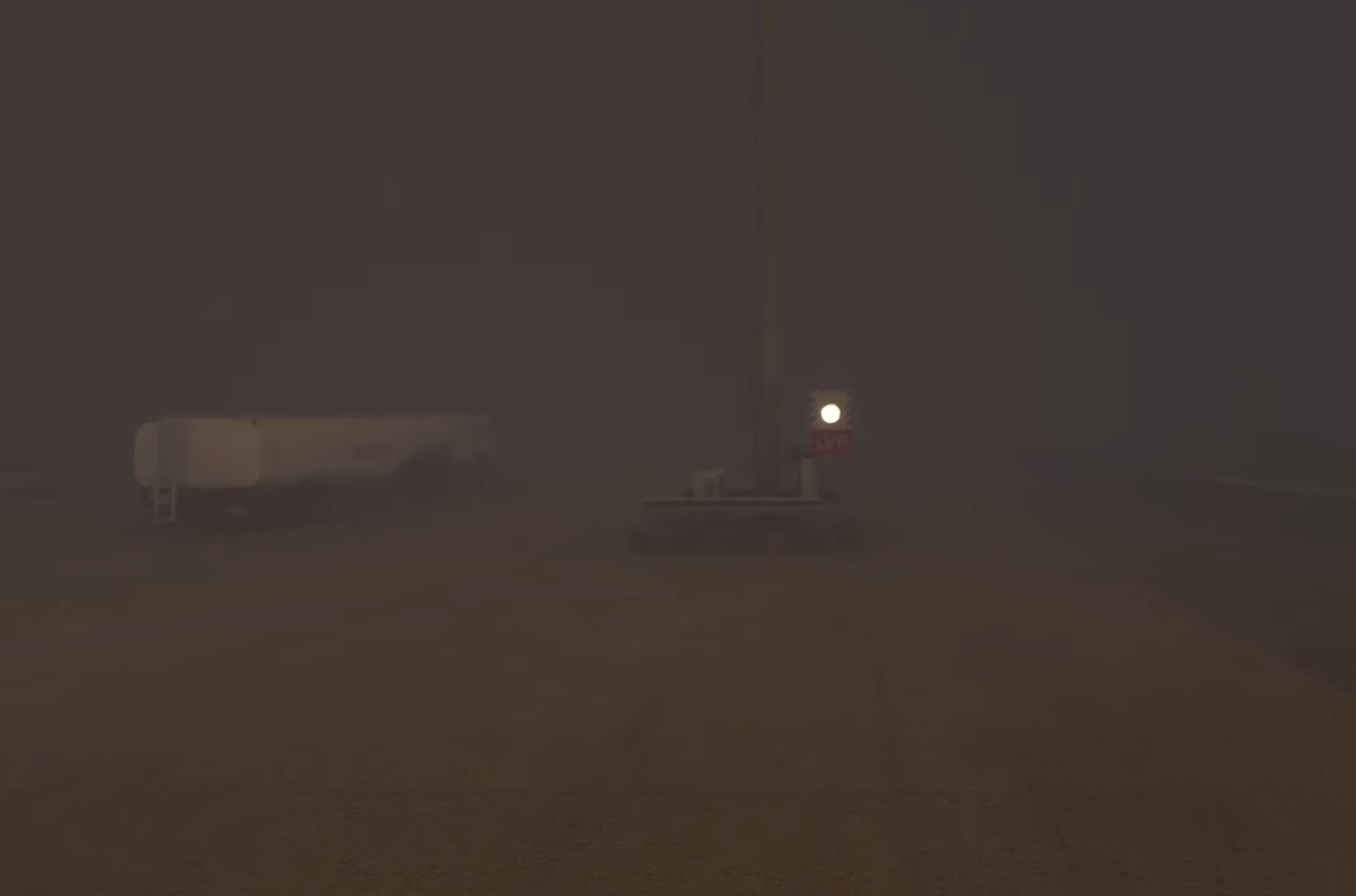
Approach environment at GCXO — terrain features and visual cues in reduced visibility
What the simulator needs to get right
For LVP familiarization training to transfer to real operations, the simulator environment has to be accurate in specific ways. Generic fog over a flat airport teaches pilots nothing about GCXO. The value comes from the details that are unique to this operation.
Terrain accuracy
The Anaga ridgeline must be correctly positioned and profiled. During a missed approach in IMC, the terrain clearance margin is the safety envelope — it has to match reality.
Dynamic visibility
Fog at GCXO isn't uniform. It rolls in directionally from the northeast, creating variable visibility across the field. The sim should model this degradation realistically.
Approach lighting
The approach lighting system at maximum intensity is the first visual cue a crew will see breaking out of cloud. Its position, pattern, and intensity must match the real installation.
Missed approach path
The published missed approach requires a climbing turn away from terrain. In the simulator, the visual transition from approach to go-around must reflect the real sight picture — or lack of one.
The Binter operation
Binter Canarias operates the largest volume of flights into GCXO, connecting the Canary Islands with high-frequency turboprop and regional jet services. For Binter crews, Tenerife North isn't a special destination — it's a home base. Many pilots fly into GCXO multiple times per day. That frequency builds operational familiarity, but it can also build complacency around the transition from normal to degraded conditions.
The value of simulator LVP training for a frequent operator like Binter isn't initial familiarization — it's maintaining sharpness for the scenarios that happen infrequently enough to be surprising but frequently enough to be inevitable. A Binter pilot might fly 500 legs into GCXO in a year and encounter genuine LVP on 30 of them. Those 30 approaches need to be as procedurally crisp as the other 470, and the simulator is where that consistency is maintained.
For new captains transitioning to the GCXO operation, the simulator provides something even more valuable: the experience of handling a deteriorating situation without the consequence. A missed approach in actual LVP at GCXO, with terrain ahead and weather closing in behind, is not the time to be experiencing that scenario for the first time.
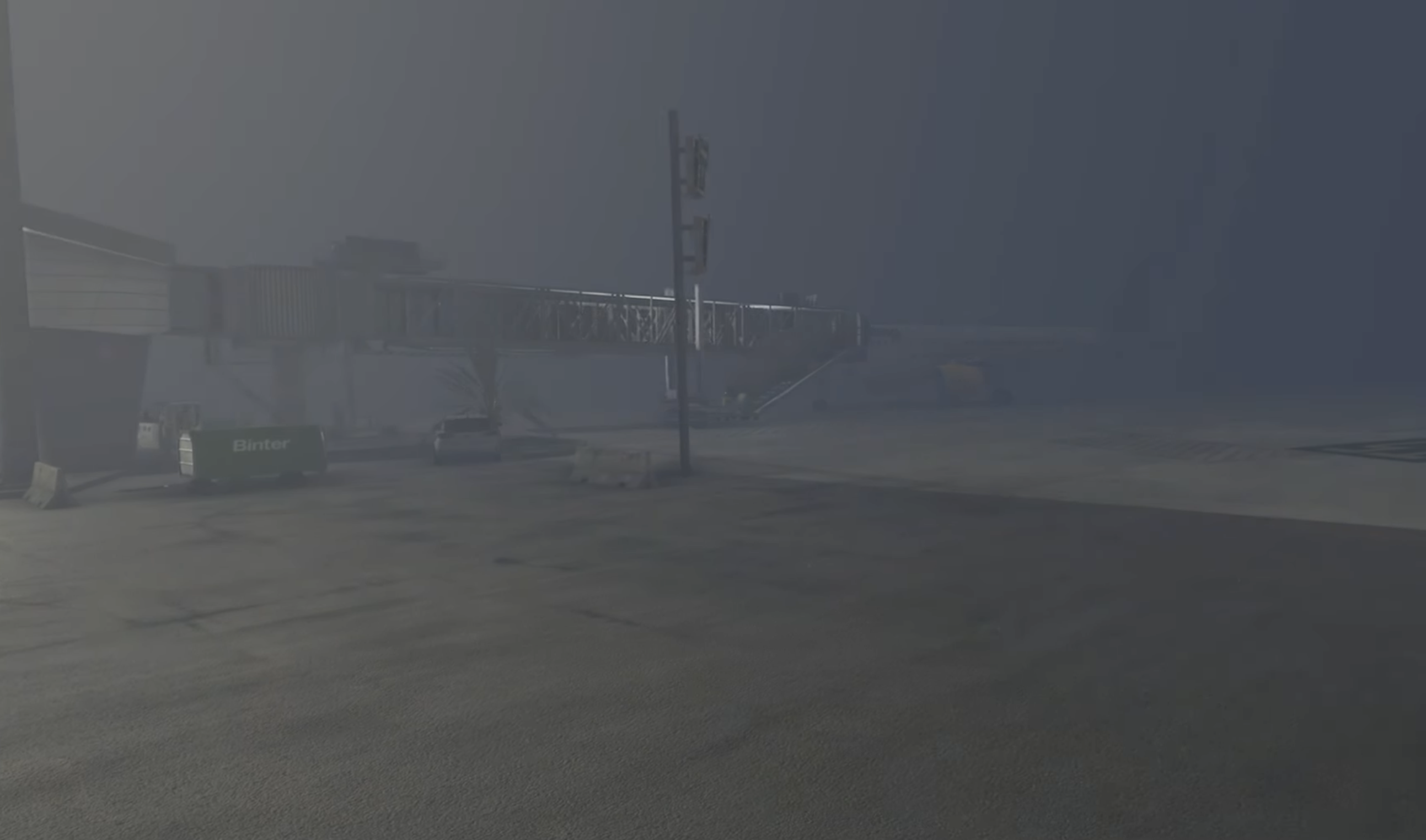
GCXO runway environment — the operational context that makes LVP familiarization essential
Beyond the approach
LVP familiarization at GCXO isn't just about the approach phase. Ground operations under low visibility are equally challenging. Tenerife North's taxiway system requires precise navigation in conditions where apron edge markings and building outlines disappear into fog. A crew that has never taxied the GCXO layout in low visibility will spend cognitive resources on wayfinding that should be available for monitoring and communication.
Departure in LVP presents its own challenges. The departure procedures from runway 30 route directly toward rising terrain to the south. In clear conditions, the terrain is visible and the climb profile is intuitive. In fog, the departure is entirely instrument-driven, and the awareness of terrain proximity is procedural rather than visual. Simulator practice builds the instrument scan patterns and callout discipline that keeps this departure safe when there's nothing to see out the window.
What we build for this
Our GCXO digital twin is built with LVP familiarization as a primary use case. The terrain model is validated against published approach charts and obstacle data. The Anaga ridgeline is correctly profiled using high-resolution elevation data. The approach lighting system is modeled to the installed specification. And the airport environment — taxiways, apron, terminal buildings, control tower — is accurate enough to support ground operation training in degraded visibility.
For operators like Binter, this means a simulator environment where a pilot can practice the complete LVP sequence: arrival in deteriorating conditions, approach with late visual acquisition, missed approach with terrain awareness, hold and re-attempt, and ground operations after landing — all in an environment that matches the airport they'll fly to tomorrow morning.
The goal isn't to make GCXO feel difficult in the simulator. It's to make the real thing feel familiar.